

Why Enterprise Businesses Need Cloud Managed Data Center Services in 2026
October 25, 2025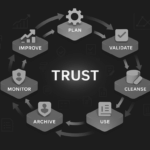
Best Practices for Effective Data Quality Management
October 29, 2025

AI Agent Use Cases
AI agents are software systems that take a goal, gather context, plan the next step, and act. They use models for language, vision, and planning, then check results and try again if needed. Think of them as reliable teammates for work that is repetitive, data heavy, or time sensitive. In this article we group the most useful use cases into business operations, personal productivity, creative and media, and education, with simple examples and outcomes.
Business Operations
Customer Support
Support teams live on speed and consistency. An agent handles common questions, pulls answers from a knowledge base, and escalates only the edge cases. For a retailer, the agent verifies identity, checks delivery status, issues a refund if rules allow, and logs the ticket. Replies arrive faster at any hour, wait times drop, and human agents focus on tricky problems. The same retrieve, reason, and act pattern also powers sales and marketing.
Sales and Marketing
Agents read CRM notes, site events, and campaign history, then suggest the next touch. A B2B agent scores leads, drafts a short email that references the last webinar, and schedules a follow up if there is no reply in two days. In paid media, an agent pauses low performers, shifts budget to winners, and writes two fresh variations for testing. The team spends less time on busywork and more time on strategy, conversion improves, and feedback loops get faster.
Supply Chain and Operations
Forecasting and routing are data rich and time sensitive, perfect for agents. A distributor’s agent compares last week’s sales, seasonality, and inbound shipments, then recommends purchase orders and allocates stock across warehouses. A logistics agent selects routes based on traffic and cut off times, then rebooks if a delay hits. The payoff is fewer stockouts, leaner inventory, and on time delivery. The same plan, sense, and act loop that helps companies also helps individuals run their day with less friction.
Personal Productivity
Personal Assistants and Smart Homes
Voice or chat agents set reminders, summarize your day, and control devices. Ask for calendar conflicts this week, the agent proposes moves, sends polite reschedule notes, and updates invites. At home, one command sets lights, temperature, and alarm for bedtime. You switch context less, forget fewer tasks, and gain small time wins that add up.
Health and Finance
Fitness agents track activity and suggest small changes, add a 10 minute walk after lunch, swap one snack for protein. Finance agents categorize spending, flag unusual charges, and nudge you toward a savings goal. Outcomes are steady habit gains and fewer money leaks… without constant micromanagement. Agents do not only organize, they also create. That is where creative and media work comes in.
Creative and Media
Content Drafting and Editing
Writing agents help with outlines, first drafts, and edits. A newsroom agent compiles facts from sources, writes a 200 word brief, and highlights claims that need human verification. A marketing agent turns a long blog into a short LinkedIn post, a caption, and an email teaser. Humans keep voice and accuracy, the agent does the heavy lifting.
Design and Games
Design agents assist with image cleanup, layout suggestions, and versioning. In games, agents drive non player characters that react to player behavior, keep difficulty balanced, and generate side quests on the fly. Creators iterate faster, players get more immersive worlds. The same personalization that makes media engaging also makes learning stick.
Education
Personalized Learning and Language Practice
Learning agents adjust difficulty as a student progresses. After a quiz, the agent explains two wrong answers in plain language, queues a short practice set, and revisits the concept a week later. In language apps, the agent plays conversation partner, gives instant feedback, and recommends a short clip that matches your level. Students retain more, teachers get time back for coaching, and feedback arrives in minutes instead of weeks.
A simple mental model
Most useful agent flows follow four steps, set a clear goal, gather the right context, plan the next action, do it and check the result. When you see a new use case, ask, what is the goal, where does context live, what actions are allowed, how do we verify the outcome. This keeps projects practical and safe.
Guardrails that matter
Great results need sensible limits. Use permissioned data, log actions, and keep humans in the loop for decisions with risk, refunds over a limit, medical advice, legal commitments. Measure quality with simple metrics, response time, accuracy against a rubric, cost per task. Improve with small weekly changes, not big bangs.
Conclusion
AI agents are past the hype and useful today. In support they shorten queues, in marketing they personalize follow ups, in operations they balance stock and routes. At home they remove friction, in classrooms they adapt to each student. Start with one clear job, wire the data it needs, give it a narrow action list, and measure results. As the stack improves, you can widen scope with confidence. The promise is not magic, it is steady, compounding gains in speed, quality, and focus.


