Why Enterprise Businesses Need Cloud Managed Data Center Services in 2026
In 2026, enterprise businesses face ever-growing demands for data storage, processing power, and security. The rapid pace of technological advancement means that these demands are not just increasing in volume but also in complexity. As technology evolves, so do the intricacies involved in managing data centers, often requiring specialized expertise and cutting-edge solutions.
That’s where cloud managed data center services come into play. These services offer a comprehensive solution that combines cloud computing with effective data center management, enabling businesses to remain competitive and agile in the digital landscape.
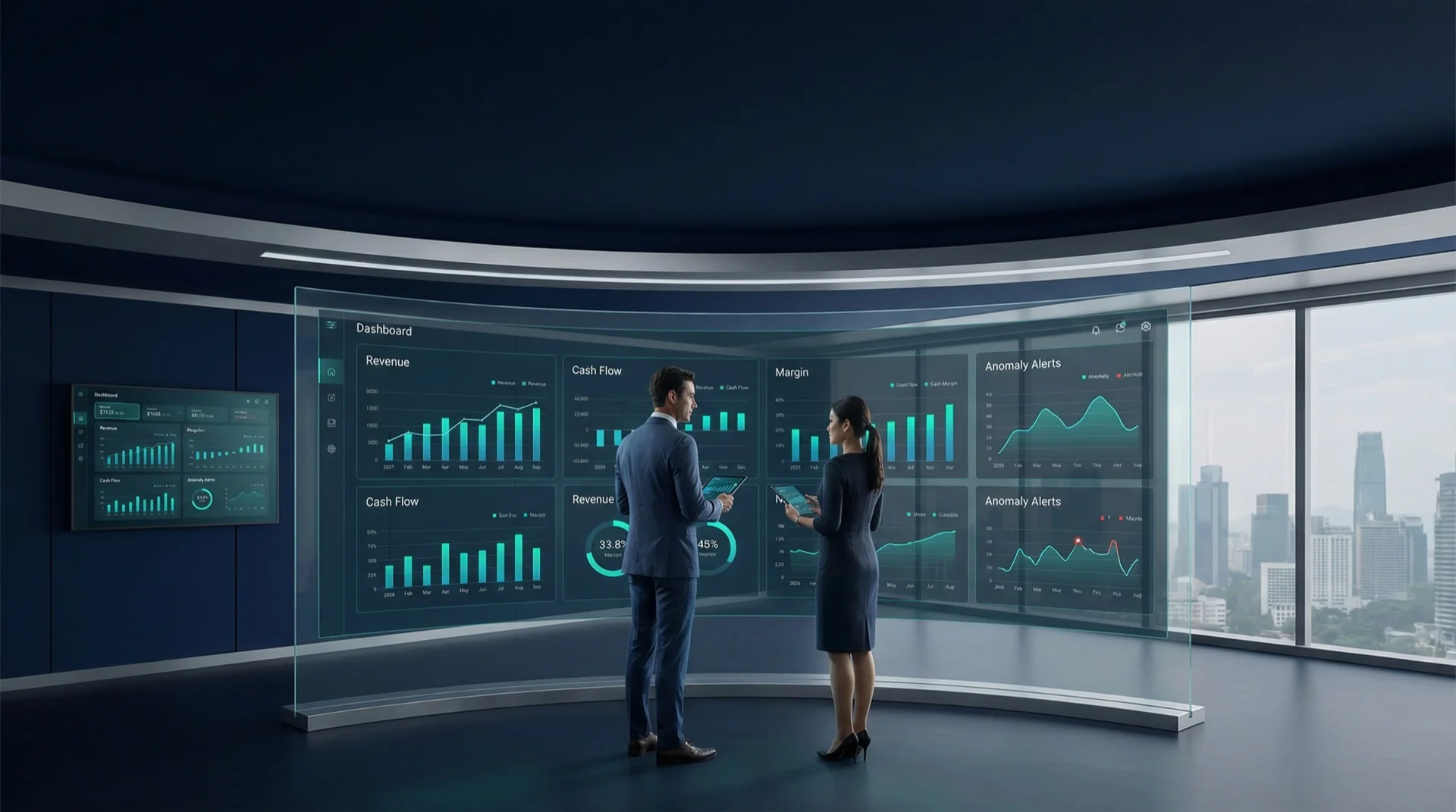
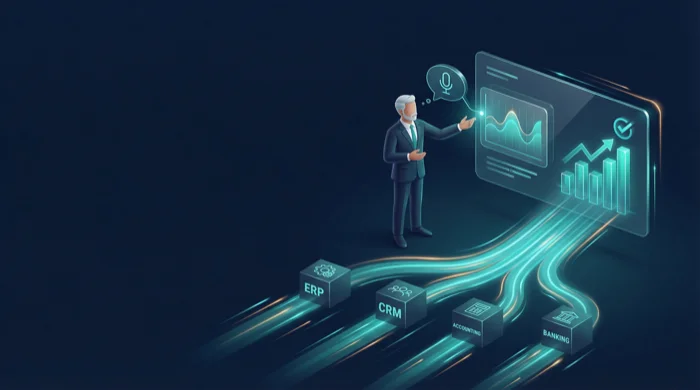
Lestar, an AI-driven data and analytics platform, takes this concept even further — merging cloud management with intelligent data orchestration. It doesn’t just host your data; it transforms it into insights that help enterprises make faster, smarter decisions.
What Are Cloud Managed Data Center Services?
Cloud managed data center services represent a strategic fusion of cloud computing capabilities with robust data center management.
They allow businesses to leverage the power of the cloud to store, manage, and process vast amounts of data, all while relying on external experts to handle the intricate infrastructure and routine maintenance of data centers.
This model provides a dual advantage:
Companies can dedicate their full attention to core business operations without being bogged down by the technical nuances of data management.
They benefit from the expertise of professionals who ensure that the data centers operate efficiently.
Key Benefits
1. Scalability
- As businesses grow, so do their data needs.
- Cloud managed services offer scalable solutions that can easily adjust to a company’s changing demands.
- This flexibility ensures that businesses do not pay for unused resources yet can quickly upscale their data capabilities during peak demands or expansion phases.
- Such scalability is particularly beneficial for enterprises that experience seasonal spikes or are planning for international expansion.
2. Cost Efficiency
- Managing data centers in-house can be expensive due to physical infrastructure and constant hardware updates.
- Cloud services reduce these costs by eliminating the need for substantial capital expenditure.
- The pay-as-you-go model translates to financial savings since businesses only pay for what they use.
3. Security
- Cloud managed services protect sensitive data with advanced security measures.
- Providers invest heavily in technologies like encryption, intrusion detection, and continuous monitoring.
- This ensures client data remains safe, even as cyber threats grow more sophisticated.
4. Expert Management
- A team of professionals manages and maintains the data center for optimal performance and minimal downtime.
- Businesses benefit from the latest innovations and best practices without building in-house expertise.
- Any issues are resolved swiftly, minimizing disruptions.
5. Flexibility
- Businesses can access their data from anywhere, at any time.
- This supports remote work and global operations, allowing real-time collaboration and analysis.
- It enhances agility and decision-making in today’s fast-paced world.
Why Businesses Are Shifting to Cloud Managed Data Centers
As enterprises expand globally, they need data centers that can support growth and offer robust solutions. Modern businesses require systems that are reliable and adaptable to diverse markets and regulations.
Reasons for the shift include:
- The staggering amount of data generated daily, from customer information to transaction records.
- The need for seamless handling of large data volumes.
- The importance of real-time data analysis to drive innovation and growth.
Industries like finance, healthcare, and retail benefit greatly since data-driven decisions significantly impact profitability.
Business Continuity and Reliability
- Downtime can be disastrous, leading to lost revenue and damaged reputations.
- Cloud managed services ensure continuous operation even during hardware failures or natural disasters.
- Disaster recovery plans ensure data integrity and quick restoration.
This reliability is essential for maintaining customer trust and uninterrupted services.
Focus on Core Growth
- Outsourcing data center management allows businesses to focus on strategic initiatives.
- Internal IT teams can work on value-adding projects rather than maintenance.
- This shift enhances innovation, adaptability, and competitiveness.
Real-Time Decision-Making
- Cloud managed centers provide tools for real-time analytics.
- Businesses can respond quickly to market trends and customer needs.
This enables faster product launches, supply chain optimization, and improved customer satisfaction.
How Cloud Managed Data Centers Work
Cloud managed data centers follow a simple split of responsibilities. Your team owns the applications and data, the provider runs the physical and virtual infrastructure. The result is a service that feels elastic, secure, and always on.
Data storage sits on cloud servers that the provider operates in multiple locations. Data is saved using object, block, or file storage, then replicated across zones for durability. As your needs grow, capacity scales without new hardware, and lifecycle rules move rarely used data to lower cost tiers while keeping it accessible and safe.
Maintenance and monitoring happen continuously in the background. The provider patches operating systems, updates firmware, and tunes performance. Automated health checks watch every layer, from servers and networks to databases and queues. If something drifts out of normal ranges, alerts fire and engineers act before users feel an impact.
Security protocols apply at every layer. Data is encrypted in transit and at rest, identities and access are controlled with least-privilege policies, and networks are segmented to reduce risk. Logs, audits, and threat detection tools run all the time, so suspicious activity is flagged quickly and reviewed against current compliance standards.
Disaster recovery is built in rather than bolted on. Regular backups and snapshots protect critical systems, and replicas in other regions allow fast failover. Recovery time objective and recovery point objective targets are defined upfront, then tested through drills to make sure restoration is predictable when it matters.
Together these building blocks create a managed environment that scales with demand, protects sensitive information, and keeps business services online, without the cost and complexity of running a data center on your own.
Trends to Watch in 2026 and Beyond
Automation will handle more day-to-day tasks, reducing manual work. This shift improves speed, accuracy, and overall service delivery.
Evolving security will bring stronger encryption and AI powered threat detection. Real time response to cyber threats will become standard, and compliance with data privacy laws will tighten.
Sustainability will move to the forefront. Data centers will prioritize renewable energy and efficient power use. Green technologies will cut carbon footprints, and environmentally conscious operations will strengthen brand reputation.
Integration with emerging technologies will accelerate. Cloud centers will connect more deeply with AI and IoT systems, helping businesses unlock new insights, optimize operations, and innovate faster.
Conclusion
In 2026, cloud managed data center services will no longer be optional — they’ll be the backbone of every enterprise’s digital strategy. Businesses that embrace these systems gain the ability to scale effortlessly, cut costs, and protect data with enterprise-grade security.
Lestar takes this vision a step further. It’s not just a cloud management platform — it’s an AI-powered data ecosystem that connects, cleans, and transforms data from every corner of your business. From data integration to predictive analytics, Lestar turns what used to be complex infrastructure into a smart, self-optimizing system.
By adopting intelligent solutions like Lestar, companies can move beyond maintenance and focus on what truly matters — innovation, agility, and growth. In the new era of cloud-managed data centers, success belongs to those who let their data work for them.